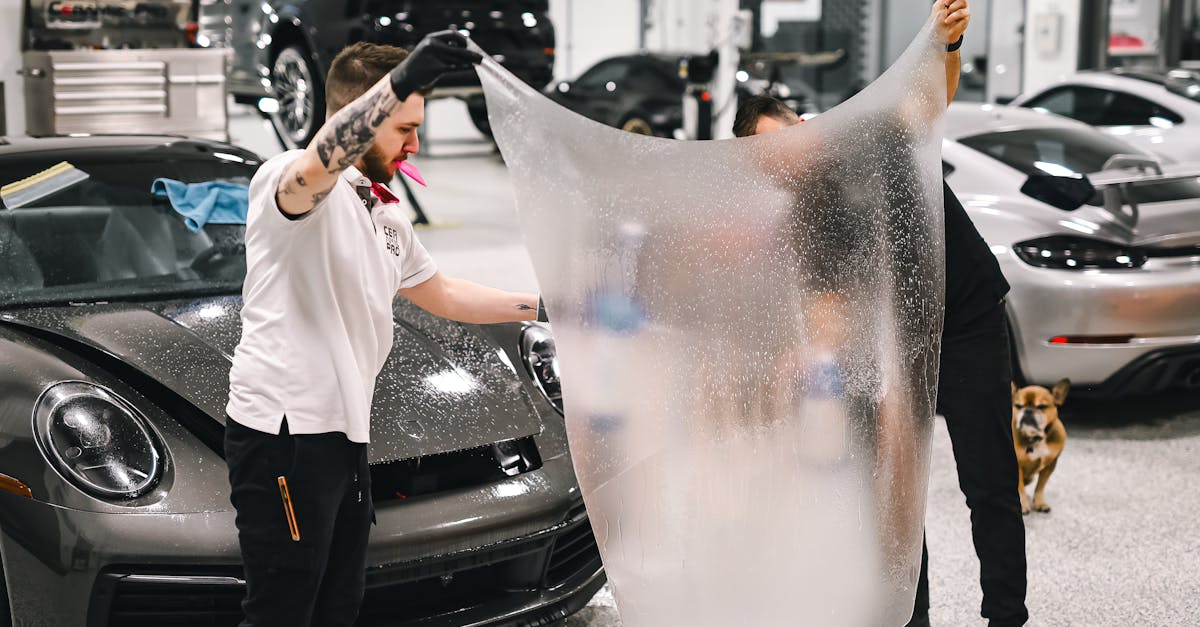
Ceramic vs Regular Window Tint
Choosing between ceramic and regular window tint? Here's a complete breakdown of the differences, costs, and which one is worth the investment.
| Feature | Dyed (Regular) | Metallic | Ceramic |
|---|---|---|---|
| Heat Rejection | Low (15-30%) | Medium (30-50%) | High (50-80%) |
| UV Protection | Good (90%+) | Good (90%+) | Excellent (99%) |
| Glare Reduction | Good | Good | Excellent |
| Signal Interference | None | Can interfere | None |
| Fade Over Time | Fades to purple | Minimal fading | No fading |
| Durability | 3-5 years | 5-10 years | 10+ years |
| Average Cost | $100-$250 | $150-$350 | $300-$800 |
What is Ceramic Window Tint?
Ceramic tint uses nano-ceramic particle technology embedded in the film. Unlike metallic tints, ceramic tint doesn't contain any metal — so it won't interfere with GPS, cell phone, Bluetooth, or radio signals. It provides superior heat rejection while maintaining a clear, non-reflective appearance.
What is Regular (Dyed) Window Tint?
Regular or dyed window tint is the most affordable option. It uses a layer of dye between the adhesive and the protective top coat. While it provides decent privacy and glare reduction, it offers minimal heat rejection and tends to fade to a purple color over time.
When to Choose Ceramic Tint
Hot Climates
If you live in a state like Texas, Arizona, or Florida, ceramic tint's superior heat rejection (up to 80%) makes a significant difference in cabin temperature and AC load.
Long-Term Value
Ceramic tint lasts 10+ years without fading or bubbling. If you plan to keep your car long-term, the higher upfront cost pays for itself.
Connectivity
If you rely on GPS, phone connectivity, or toll transponders, ceramic tint won't cause signal issues like metallic films can.
When Regular Tint is Enough
Budget-Friendly
If you're primarily looking for privacy and glare reduction on a budget, dyed tint at $100-$250 gets the job done.
Short-Term Vehicles
Leasing or planning to sell soon? Regular tint provides the aesthetic benefits at a fraction of the cost.
Key Takeaway
Ceramic tint is the best overall choice for heat rejection, longevity, and signal clarity. Regular dyed tint works for budget-conscious buyers who primarily want privacy. Regardless of which you choose, make sure it complies with your state's tint laws.